
Understanding Triphala Churna and Isabgol in Ayurveda
-
Dr. Sandu
- Posted on
- 0 comments
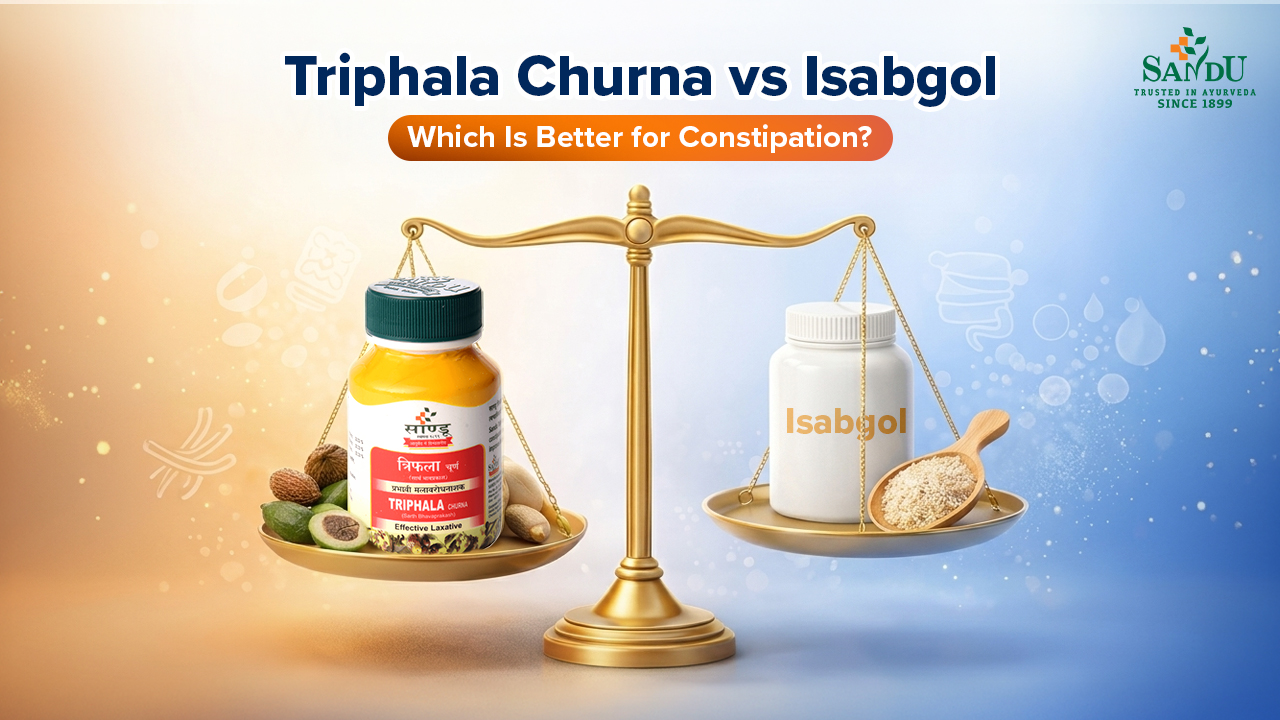
Digestive wellness has always been an important part of traditional health practices. Many people experience occasional digestive discomfort such as irregular bowel movements, bloating, heaviness after meals, or a feeling of incomplete evacuation. These concerns can affect daily comfort and overall wellbeing, making digestive balance an important focus in healthy living.
In Ayurveda, digestion is considered one of the key foundations of overall wellness. A balanced digestive system is traditionally associated with better nourishment, improved daily comfort, and internal harmony. This is why Ayurvedic practices often emphasize mindful eating, proper hydration, balanced routines, and the use of traditional herbal formulations under professional guidance.
Among the commonly discussed traditional ingredients in digestive wellness are Triphala Churna and Isabgol. Both are widely known and have been used in wellness routines for generations. However, they are traditionally understood in different ways and are often included in daily practices based on individual needs and physician guidance.
Let us understand them in a simple and educational way.
What Is Isabgol?
Isabgol, commonly known as psyllium husk, is a natural source of dietary fibre derived from the seeds of the Plantago ovata plant. It is widely recognized for its fibre content and is commonly included in digestive wellness routines when taken with adequate water.
In general wellness practices, Isabgol is commonly associated with:
- Adding natural fibre to the diet
- Supporting bowel regularity as part of a balanced routine
- Helping maintain stool bulk when combined with sufficient hydration
- Being easy to include in daily habits when used as directed
Since Isabgol is fibre based, hydration is an important part of its use. Drinking enough water and maintaining a fibre rich diet are essential lifestyle habits for digestive wellbeing.
It is important to remember that digestive wellness is influenced by many factors including eating habits, physical activity, hydration, sleep, and stress management.
What Is Triphala Churna?
Triphala Churna is a classical Ayurvedic formulation that has been traditionally used in Ayurveda for generations. The word Triphala means three fruits, referring to the three ingredients used in this formulation:
| Fruit | Botanical Name |
| Amla | Emblica officinalis |
| Haritaki | Terminalia chebula |
| Bibhitaki | Terminalia bellirica |
These three fruits are highly regarded in Ayurvedic literature and are traditionally used together as part of wellness practices focused on digestive balance and overall wellbeing.
Each ingredient has its own traditional significance in Ayurveda:
Amla
Amla is widely valued in Ayurvedic practice and is traditionally included in many formulations focused on general wellness. It is also naturally rich in Vitamin C and antioxidants, and is traditionally associated with supporting immunity and digestive balance in Ayurveda.
Haritaki
Haritaki has long been referenced in Ayurveda and is commonly used in traditional wellness formulations. In Ayurvedic practice, it is traditionally associated with supporting healthy digestion, promoting bowel regularity, and aiding the body’s natural cleansing processes.
Bibhitaki
Bibhitaki is another important Ayurvedic ingredient traditionally used as part of balanced herbal combinations. In Ayurvedic practice, it is traditionally associated with supporting respiratory and digestive health, and is valued for its natural antioxidant content that contributes to overall wellness.
Together, these ingredients form Triphala, a formulation that is widely recognized in Ayurveda for its traditional role in holistic wellness routines.
The Ayurvedic Perspective on Digestive Balance
Ayurveda places strong importance on digestive health as a foundation of wellbeing. According to Ayurvedic principles, balanced digestion supports the body’s natural harmony and contributes to overall wellness.
Traditional Ayurvedic practices often focus on:
- Eating freshly prepared meals
- Maintaining regular meal timings
- Avoiding overeating
- Drinking adequate water
- Managing stress levels
- Getting proper sleep
- Following seasonal wellness routines
- Using Ayurvedic formulations under physician guidance
From this perspective, both Triphala Churna and Isabgol may be included in wellness routines based on individual constitution, dietary habits, and professional advice.
Traditional Uses of Triphala in Ayurveda
Triphala is widely known in Ayurveda and has been traditionally used for generations as part of daily wellness practices. It is especially valued for its holistic approach to digestive balance and internal cleansing. In Ayurvedic traditions, Triphala is commonly included in wellness routines for:
Supporting Healthy Digestion
Triphala is traditionally associated with promoting digestive balance and helping maintain overall digestive comfort.
Promoting Bowel Regularity
In Ayurveda, Triphala is commonly used as part of wellness routines that support natural bowel regularity when combined with healthy dietary and lifestyle habits.
Supporting Natural Cleansing
Triphala is traditionally valued for supporting the body’s natural cleansing processes and helping maintain internal balance.
Contributing to Overall Wellness
Because Ayurveda views digestion as closely connected to general health, Triphala is often included in long-term wellness routines aimed at supporting overall wellbeing under proper guidance.
Traditional Uses of Isabgol in Wellness Routines
Isabgol is commonly included in wellness discussions because of its natural fibre content. In digestive wellness routines, fibre plays an important role in supporting bowel regularity and maintaining digestive comfort when combined with adequate hydration. Because of this, Isabgol is widely used as a convenient way to add dietary fibre to daily routines as directed.
Choosing Quality Ayurvedic Formulations
When selecting any Ayurvedic formulation, quality matters. Consumers should look for:
- Authentic ingredients
- Proper manufacturing standards
- Trusted Ayurvedic heritage
- Clear label guidance
- Physician consultation where needed
Sandu Pharmaceuticals is one of the established names in Ayurveda, known for preparing classical Ayurvedic formulations based on traditional principles. Sandu Triphala Churna is one such formulation prepared using the classical Triphala combination.
As with any Ayurvedic product, it should be used as advised by an Ayurvedic physician or as per label instructions.
Lifestyle Tips for Better Digestive Wellness
Traditional wellness is not just about ingredients. Daily habits matter equally. Here are simple habits that may support digestive wellbeing:
1) Stay Hydrated
Adequate water intake is essential for daily digestive comfort.
2) Eat Fibre Rich Foods
Include fruits, vegetables, legumes, and whole grains in meals.
3) Maintain Meal Timing
Eating at regular times supports healthy routines.
4) Stay Active
Walking, yoga, stretching, and regular movement are important.
5) Manage Stress
Stress can influence digestion. Meditation and mindful breathing can help support relaxation.
6) Sleep Well
Rest is essential for overall health and internal balance.
7) Avoid Overeating
Eating mindfully and in moderation supports daily comfort.
How to Use Triphala Churna
Triphala Churna should be used only as advised by an Ayurvedic physician or as per label instructions. Avoid self medication or changing usage patterns without professional guidance.
Consistency in healthy lifestyle habits remains an important part of long term digestive wellness.
Frequently Asked Questions
Q1. What is Triphala Churna made from?
Triphala Churna is a classical Ayurvedic formulation prepared from three fruits: Amla, Haritaki, and Bibhitaki.
Q2. What is Isabgol?
Isabgol is a natural source of dietary fibre commonly included in digestive wellness routines along with adequate hydration.
Q3. Can Triphala Churna be included in daily wellness routines?
Usage should always be as advised by an Ayurvedic physician or as per label instructions, based on individual needs.
Q4. Are Triphala and Isabgol the same?
No. They are different traditional ingredients with different compositions and are understood differently in wellness practices.
Q5. What lifestyle habits support digestive wellness?
Hydration, balanced meals, fibre intake, regular activity, mindful eating, good sleep, and stress management are important daily habits.
The Bottom Line
Both Triphala Churna and Isabgol are widely recognized in traditional wellness discussions. Understanding their traditional roles within Ayurveda can help individuals make informed choices about digestive wellness as part of a balanced lifestyle.
Healthy eating, hydration, movement, proper rest, and professional guidance remain the foundation of digestive wellbeing.
Disclaimer: This product is not intended to diagnose, treat, cure, or prevent any disease. Please consult an Ayurvedic physician for appropriate guidance before use.