
How Herbs Can Help With Joint Discomfort
-
Dr. Sandu
- Posted on
- 0 comments
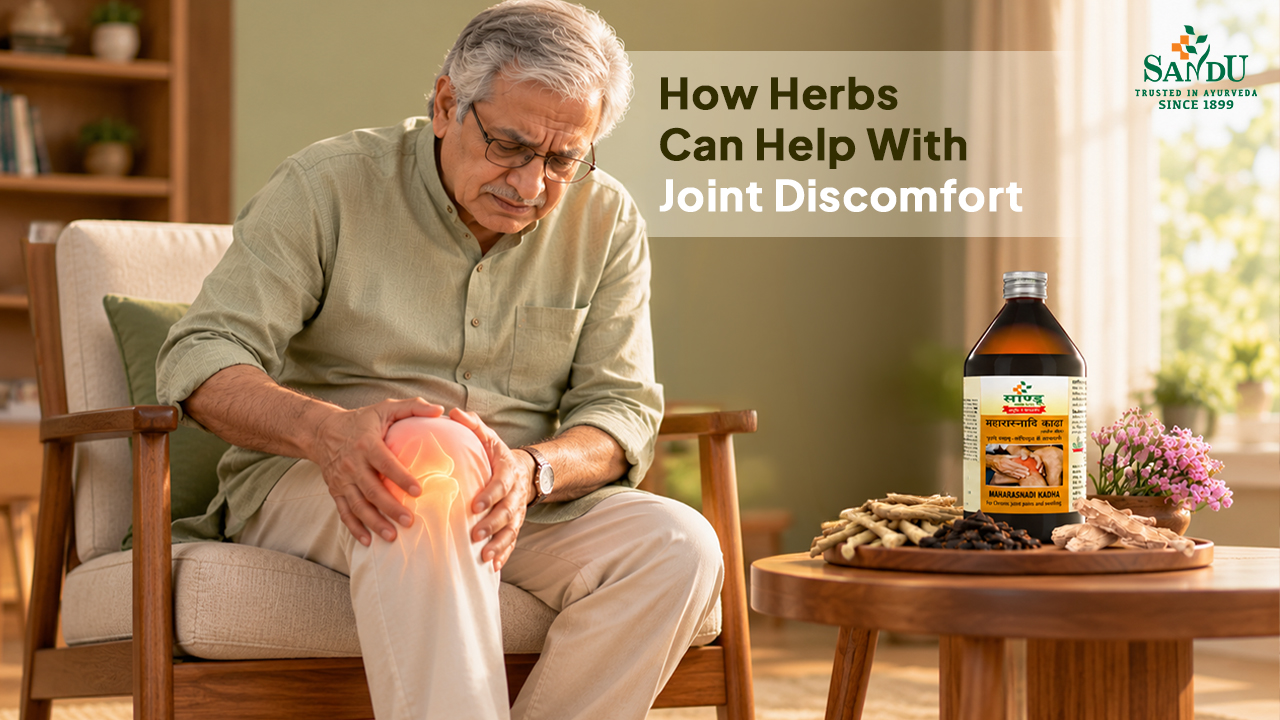
Think about the everyday movements we often take for granted—bending down to tie your shoes, climbing a flight of stairs or enjoying a leisurely evening walk. When joint discomfort sets in, these simple activities may become less comfortable, accompanied by stiffness, tenderness or difficulty moving freely. Over time, this can affect not just mobility but also the ease with which we go about our daily lives.
Maintaining joint health involves more than managing discomfort; it also means paying attention to movement, daily habits and long-term care. In Ayurveda, several herbs have traditionally been used in formulations intended to support joint comfort, muscle function and mobility. Exploring these traditional approaches can help us better understand the role of herbs in joint care.
Understanding Joint Discomfort: What Is Really Happening?
To care for your joints, it helps to understand how they work. A healthy joint is a finely tuned system comprising smooth cartilage that cushions bone ends, synovial fluid that acts as a natural lubricant, and strong ligaments that hold everything stable. When this system is in balance, movement feels effortless.
However, joint discomfort rarely happens overnight. It is typically the result of gradual changes within this internal network:
Cartilage Wear & Tear: Over time, repetitive strain, aging, or heavy physical activity can wear down the protective cartilage, leading to friction and stiffness.
Reduced Lubrication: As joint fluid dries up, joints lose their smooth glide, causing that familiar grinding or clicking sensation.
Tissue Inflammation: Stress on surrounding ligaments and muscles can lead to localized swelling, warmth, and aching, especially after periods of rest.
Lifestyle Factors: Prolonged sitting, poor posture, and even cold weather can restrict blood flow and worsen stiffness.
What Can Cause Joint Discomfort?
Joint discomfort rarely stems from a single factor. It is typically the cumulative result of lifestyle habits, physical demands, and natural physiological changes over time:
Physical Overexertion & Strain: High-impact workouts, heavy lifting, or repeated everyday movements can micro-strain surrounding tendons and wear down protective tissue over time.
Prolonged Inactivity: Sitting for extended hours slows down blood flow to joint tissues and weakens supporting muscles, leaving joints tight and prone to stiffness when you finally stand up.
Postural Pressure: Desk jobs, slouched sitting, or improper lifting techniques put uneven, constant stress on the spine, hips, and knees.
Environmental & Seasonal Factors: Cold, damp weather can cause joint tissues to contract, making movement feel harsher and stiff joints feel more noticeable.
Carrying Extra Load: Added weight increases continuous physical load on weight-bearing joints—especially knees and ankles—with every step you take.
Diet & Poor Digestion: Consuming heavy, processed foods can impair digestion, leading to internal sluggishness and heaviness that manifests as joint stiffness.
How Joint Discomfort Can Affect Daily Life
Joint discomfort rarely stays localized to just a knee, wrist, or shoulder—its impact ripples through almost every aspect of your day-to-day routine:
Restricted Morning Movement: Waking up with stiff joints can make getting out of bed, bending down, or preparing breakfast feel slow and uncomfortable.
Interrupted Work Routines: Long hours of sitting at a desk, typing, or standing on hard floors can turn routine workplace tasks into a daily physical strain.
Loss of Simple Independence: Basic chores like opening jars, carrying groceries, climbing stairs, or reaching overhead suddenly require careful effort.
Disrupted Rest & Sleep: Persistent aching or trouble finding a comfortable position at night can hinder deep, restorative sleep, leading to daytime fatigue.
Hesitation Around Exercise & Hobbies: Fear of triggering a flare-up often leads to avoiding walks, gardening, sports, or playing with children, contributing to a more sedentary lifestyle.
The Ayurvedic Perspective on Joint Health
Ayurveda views joint health as a balance between lubrication, movement, digestion and nourishment of the body’s tissues (Dhatu Poshana). Sleshaka Kapha is the Ayurvedic principle associated with keeping joints well-lubricated and supporting smooth movement.
Vata Dosha, which governs movement in the body, is associated with flexibility and mobility. When Vata becomes aggravated, it is traditionally linked to symptoms such as joint pain, stiffness and difficulty moving comfortably. Ayurveda also highlights the importance of Agni, or digestive fire, which represents the body’s ability to digest food and process nutrients.
When this process is impaired, Ama—described as a residue of incomplete digestion—may accumulate and contribute to certain imbalances according to Ayurvedic principles. Proper nourishment of Asthi Dhatu (bone tissue) and Majja Dhatu (marrow tissue) is also considered important for maintaining the body’s structural health.
Accordingly, Ayurveda emphasises balancing Vata, supporting digestion, nourishing body tissues and incorporating suitable dietary habits, daily routines and traditionally used herbs as part of a holistic approach to joint care.
Simple Ways to Support Joint Health
Supporting joint health involves a combination of mindful eating, regular movement, adequate rest and daily self-care. Ayurveda emphasises maintaining balance through suitable dietary choices and routines, alongside practices that promote comfort and mobility.
Follow Mindful Eating Habits: Prefer freshly prepared, balanced meals at regular times. Ayurveda traditionally recommends avoiding curd at night and choosing foods according to individual digestive capacity (Agni).
Include Gentle Oil Massage (Abhyanga): A gentle massage with comfortably warm sesame oil or a suitable Ayurvedic massage oil is a traditional practice that may help ease feelings of stiffness and promote relaxation.
Keep Your Body Moving: Regular walking, gentle yoga, swimming or other suitable low-impact activities can help maintain flexibility, mobility and the strength of muscles supporting the joints.
Nourish Your Body With a Balanced Diet: Include a variety of vegetables, fruits, whole grains, protein-rich foods and healthy fats.
Maintain Healthy Daily Routines:Follow regular sleep and activity schedules, stay adequately hydrated and take breaks from prolonged sitting. Ayurveda places importance on Dinacharya (daily regimen) to encourage consistency in everyday self-care.
Manage Physical Strain and Body Weight: Use appropriate lifting techniques, avoid sudden increases in strenuous activity and maintain a weight suited to your health needs to help reduce excess stress on weight-bearing joints.
Adapt Your Routine to the Season: Ayurveda emphasises Ritucharya (seasonal regimen). Dress appropriately in cold weather, keep joints comfortable if cold aggravates stiffness, and adjust activity levels to your needs.
Seek Medical Guidance When Needed: If joint pain, swelling or stiffness persists, worsens or interferes with daily activities, consult a healthcare professional to identify the underlying cause and discuss appropriate care.
Joint health benefits from a consistent, well-rounded approach rather than any single food, herb or practice. Combining appropriate nutrition, movement, rest and personalised care can help support mobility and everyday function over time.
Ayurvedic Herbs Traditionally Used for Joint Comfort
Ayurveda uses several herbs in traditional formulations for joint and muscle comfort. Some of the herbs traditionally associated with musculoskeletal health include:
- Rasna: Traditionally used in Ayurvedic formulations to support joint comfort and mobility.
- Bala: Traditionally valued for supporting muscle strength and overall musculoskeletal health.
- Erandmula (Castor Root): Traditionally used in Ayurveda in formulations intended to support joint comfort and manage Vata-related concerns.
- Punarnava: Traditionally valued for its properties and used in Ayurvedic formulations for supporting overall wellness.
- Shunthi (Dry Ginger): Traditionally used for its warming properties and in formulations intended to support joint comfort.
These herbs are used individually or in combination in various Ayurvedic formulations. Sandu Maharasnadi Kadha contains a blend of traditionally used herbs, including Rasna, Bala and Erandmula, reflecting Ayurveda’s holistic approach to supporting joint and muscle comfort.
Sandu Maharasnadi Kadha For Joint Comfort
Joint discomfort, stiffness and reduced mobility can make everyday activities challenging. Ayurveda takes a holistic approach to joint care, emphasising Vata Dosha balance, appropriate nourishment and herbs traditionally used for musculoskeletal health.
Sandu Maharasnadi Kadha is a traditional Ayurvedic polyherbal formulation that combines herbs such as Rasna, Bala, Erandmula and Deodaru, each valued for its traditional properties. It reflects Ayurveda’s holistic approach to supporting joint, muscle and ligament comfort, while also being traditionally associated with supporting appetite, Pachak Agni (digestive fire) and Ama management.
How To Take Sandu Maharasnadi Kadha
The recommended dose is 4 teaspoons, which is 20 ml, 2 or 3 times a day.
It should be taken with an equal quantity of lukewarm water after a meal or as directed by a physician.
When Should You Seek Medical Advice?
If joint discomfort is persistent, severe or affecting normal daily activities, seeking professional medical advice is important. A qualified healthcare professional can provide appropriate guidance based on the individual condition.
Conclusion
Sandu Maharasnadi Kadha is a traditional Ayurvedic formulation featuring herbs traditionally used to support joint and muscle comfort. Along with its role in musculoskeletal care, it is also described as supporting appetite, Pachak Agni (digestive fire) and Ama management. When combined with appropriate nutrition, regular movement and healthy daily routines, it can be considered as part of a holistic approach to joint care, under the guidance of a qualified healthcare professional.
Disclaimer
This information is based only on the product information provided and is not a substitute for professional medical advice. Use Sandu Maharasnadi Kadha as directed by a physician. Consult a qualified healthcare professional for appropriate advice regarding your health concerns.