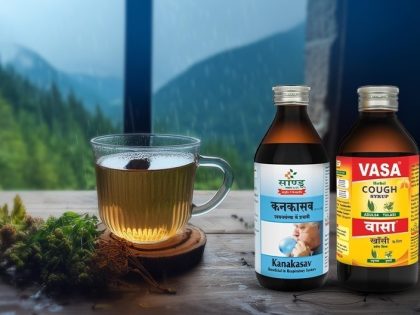
Traditional Solutions for Respiratory Health
-
Dr. Sandu
- Posted on
- 0 comments

Respiratory discomfort, including cough and throat irritation, can affect everyday comfort. Ayurveda has a long tradition of using herbs to support throat comfort and normal respiratory function. Understanding common causes of respiratory discomfort and adopting simple daily habits can help support respiratory wellness.
Understanding Respiratory Discomfort: What Does Your Cough Mean?
Respiratory discomfort may include dry cough, wet cough, common cold and throat irritation. These symptoms can occur in different circumstances, including exposure to dust, smoke and other environmental irritants.
A dry cough occurs without noticeable mucus, while a wet cough involves mucus that may need to be cleared from the respiratory tract. Throat irritation can also trigger coughing and cause discomfort.
Coughing is a response that helps clear irritants and mucus from the respiratory tract. However, repeated coughing and throat irritation can cause discomfort and interrupt everyday activities.
The cause of these symptoms can vary. Understanding their nature and duration can help determine when professional medical advice is needed.
Simple Ways to Support Respiratory Health
A few everyday habits can help support respiratory wellness:
- Maintain ventilation: Keep indoor spaces adequately ventilated.
- Avoid smoke and dust: Reduce exposure to irritants that may trigger coughing or throat discomfort.
- Practise hand hygiene: Wash hands regularly especially after coughing or sneezing to support everyday hygiene.
- Get adequate rest: Allow the body time to rest when feeling unwell.
- Stay physically active when well: Maintain suitable physical activity according to your comfort and health.
These measures support comfort but do not replace medical assessment when symptoms persist or worsen.
Traditional Ayurvedic Herbs for Respiratory Health
Ayurveda uses several herbs traditionally valued for their respiratory and soothing properties.
- Vasa: Used in Ayurvedic preparations to support mucus clearance, relieves chest congestion
- Pippali: An anti-llergic, warming spice that also acts as a bioenhancer
- Yashtimadhu: Used for its throat-soothing properties and helps liquify phlegm
- Shunthi: Dried ginger valued for its anti-microbial and soothing properties.
- Tulsi : Has anti-inflammatory & immunomodulator properties supports respiratory wellness.
- Bibhitaki and Lavanga: Used in Ayurvedic preparations for respiratory and throat-related concerns.
These herbs are combined in different formulations according to their traditional uses.
How Sandu Vasa Cough Syrup Supports Respiratory Comfort
Sandu Vasa Cough Syrup combines Vasa, Tulsi, Yashtimadhu, Pippali, Shunthi, Bibhitaki and Lavanga. These herbs are traditionally used in Ayurveda for respiratory and throat-related complaints.
The syrup is traditionally used for dry cough, wet cough, common cold and throat irritation. Its stated benefits include:
- Helps provide relief from dry and wet cough.
- Soothes the throat and supports throat comfort.
- Supports comfortable mucus expectoration.
- Aids respiratory health.
- Non-drowsy and non-habit-forming formulation.
How to Take Sandu Vasa Cough Syrup
Follow the recommended dosage or the directions provided by a physician.
- Children: ½ to 1 teaspoonful (2.5–5 ml), 2–3 times a day according to age or as directed by a physician.
- Adults: 2 teaspoonfuls (10 ml), 3–4 times a day or as directed by a physician.
Keep the product out of reach of children. Consult a qualified healthcare professional before use during pregnancy or lactation, for young children, or if taking medication or having an existing medical condition. Discontinue use if an adverse reaction occurs.
When to Seek Medical Advice
Consult a qualified healthcare professional if a cough or other respiratory symptoms persist or worsen. Seek prompt medical attention for difficulty in breathing or other severe symptoms.
Disclaimer
The information provided herein is for informational and educational purposes only and does not constitute medical advice, diagnosis or treatment. Always seek the advice of a registered medical practitioner. Prescription medicines are available strictly against a valid prescription from a Registered medical practitioner.