
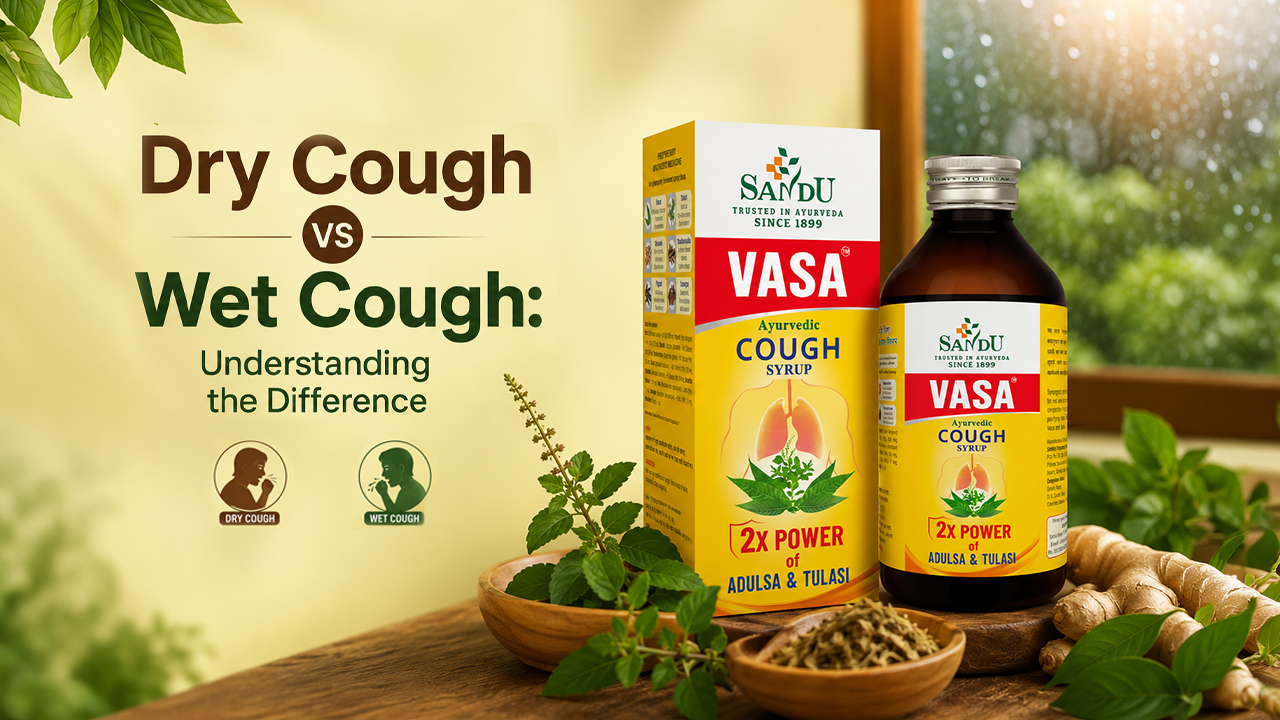
Dry Cough vs Wet Cough: Understanding the Difference
-
Dr. Sandu
- Posted on
- 0 comments
Cough is one of the most common health problems. It can affect people of all ages and may happen at any time of the year. A cough is the body’s natural way of clearing the throat and airways. However, not every cough is the same.
Some people have a dry cough that feels itchy and irritating. Others have a wet cough that brings out mucus. Knowing the difference between the two can help you choose the right care and recover faster.
In this blog, we will understand the difference between dry cough and wet cough, their causes, symptoms, and simple ways to manage them naturally.
What Is a Dry Cough?
A dry cough does not produce mucus or phlegm. It often feels like a tickle or irritation in the throat.
People with a dry cough may cough repeatedly without producing any mucus or phlegm. This type of cough can become tiring, especially at night.
Common Causes of Dry Cough
A dry cough can happen due to many reasons.
These include:
- Allergy
- Dust
- Smoke
- Air pollution
- Dry air
- Throat irritation due to acid reflux
Sometimes, a dry cough continues even after a cold has improved.
Symptoms of Dry Cough
You may notice the following signs.
- Constant coughing
- Itchy throat
- Sore throat
- Difficulty sleeping because of coughing
- No mucus while coughing
What Is a Wet Cough?
A wet cough is also called a productive cough. It helps remove mucus from the lungs and airways.
When you cough, mucus or phlegm comes out. This is the body’s way of clearing the respiratory tract.
A wet cough should not be ignored if it lasts for a long time.
Common Causes of Wet Cough
A wet cough may happen because of:
- Bronchitis
- Flu
- Chest infection
- Sinus infection
- COPD
- Seasonal changes
The mucus may be clear, white, yellow, or green depending on the cause.
Symptoms of Wet Cough
Common signs include:
- Cough with mucus
- Chest congestion
- Heavy feeling in the chest
- Frequent throat clearing
- Mild breathing discomfort in some cases
Dry Cough and Wet Cough: What Is the Difference?
Here are the main differences.
| Dry Cough | Wet Cough |
| No mucus or phlegm comes out | Mucus comes out while coughing |
| Feels itchy and irritating | Feels heavy, congested because of mucus |
| Usually caused by acid reflux (GERD), irritants or allergy | Usually caused by infections or mucus build up |
Knowing the type of cough helps you take better care of your health.
Simple Ways to Manage a Cough Naturally
Many simple home care habits can help you feel better.
Drink Warm Fluids
Warm water, soups, and herbal drinks help keep the throat comfortable and support recovery.
Get Enough Rest
- Your body heals better when you get enough sleep and rest.
- Avoid staying awake late if you are unwell.
Stay Hydrated
- Drink enough water during the day.
- Good hydration helps keep the throat moist and supports the body’s natural healing process.
Avoid Smoke and Dust
- Smoke and dust can make coughing worse.
- Try to stay away from places with poor air quality.
Eat Healthy Foods
- Fresh fruits, vegetables, and home cooked meals help support your immune system.
- A healthy body can recover faster.
How Ayurveda Can Help
Ayurveda has been used for many years to support respiratory health.
Along with proper rest, healthy food, and good hydration, Ayurvedic formulations can help maintain throat and respiratory wellness.
One trusted Ayurvedic option is Sandu Vasa.
Sandu Vasa is an Ayurvedic formulation that supports respiratory health and aids relief from different types of cough. It soothes the throat and supports healthy breathing.
When used along with healthy lifestyle habits, Sandu Vasa can be a helpful addition to your daily wellness routine during seasonal changes.
Tips to Protect Yourself From Seasonal Cough
Follow these simple habits.
- Wash your hands regularly.
- Drink clean water.
- Eat fresh home cooked food.
- Avoid very cold drinks if they irritate your throat.
- Cover your mouth while coughing.
- Avoid close contact with people who have a cough, cold, fever, or other signs of a respiratory infection.
- Sleep well and on time every night.
- Support your respiratory health with Ayurveda ,Yoga & Pranayama.
These habits help reduce the risk of seasonal cough and other infections.
When Should You Visit a Doctor?
Most coughs improve within a few days.
However, seek medical advice if you have:
- High fever
- Difficulty breathing or shortness of breath
- Chest pain
- Blood while coughing
- A cough that persists or worsens despite home care
- Thick mucus that does not improve
A healthcare professional can find the cause and suggest the right treatment.
Conclusion
Dry cough and wet cough are different, and understanding the difference helps you take better care of your health. A dry cough usually causes throat irritation without mucus, while a wet cough helps remove mucus from the airways.
Simple habits like drinking warm fluids, staying hydrated, eating healthy food, and getting enough rest can support faster recovery.
For natural respiratory support, Ayurvedic formulations like Sandu Vasa can help soothe the throat, support healthy breathing & aids relief from cough.
Take care of your respiratory health and enjoy every season with comfort and confidence.